Anyway, we will talk about other factors in a different article. In this article, you will learn how many backlinks you need to rank high and how you should achieve them. Let’s begin.
How Does Google Rank Websites?
Before diving into backlinks and their role in ranking content, it is important to understand how Google ranks websites in search results.
When a user enters a query into a search engine, Google’s algorithm and crawlers analyze available content and identify the most relevant results based on the keywords and intent behind the query.
Here is a simplified overview of how Google ranks content:
Search Intent
When a user enters a search query, Google analyzes the keywords and attempts to understand the user’s intent. It then prioritizes content that best satisfies that intent.
For example, if someone searches for “what are SEO keywords,” Google will prioritize informational blog posts and educational content rather than service pages from digital marketing agencies.
Content Quality
Google evaluates the relevance and usefulness of content by examining factors such as:
- Quality of writing
- Depth of information
- Research accuracy
- Content structure
- User engagement
Content that keeps visitors engaged for longer durations signals to Google that the page is valuable and deserves higher rankings.
Domain Authority
Google also considers the credibility and trustworthiness of a website. A higher domain authority (DA) indicates that the website is authentic and reliable.
Domain authority is built over time through:
- High-quality content
- Strong user experience
- Consistent publishing
- Authoritative backlinks
However, hundreds of websites may meet these criteria for a given query. So how does Google decide which ones rank higher?
That is where brand reputation and backlinks become crucial.
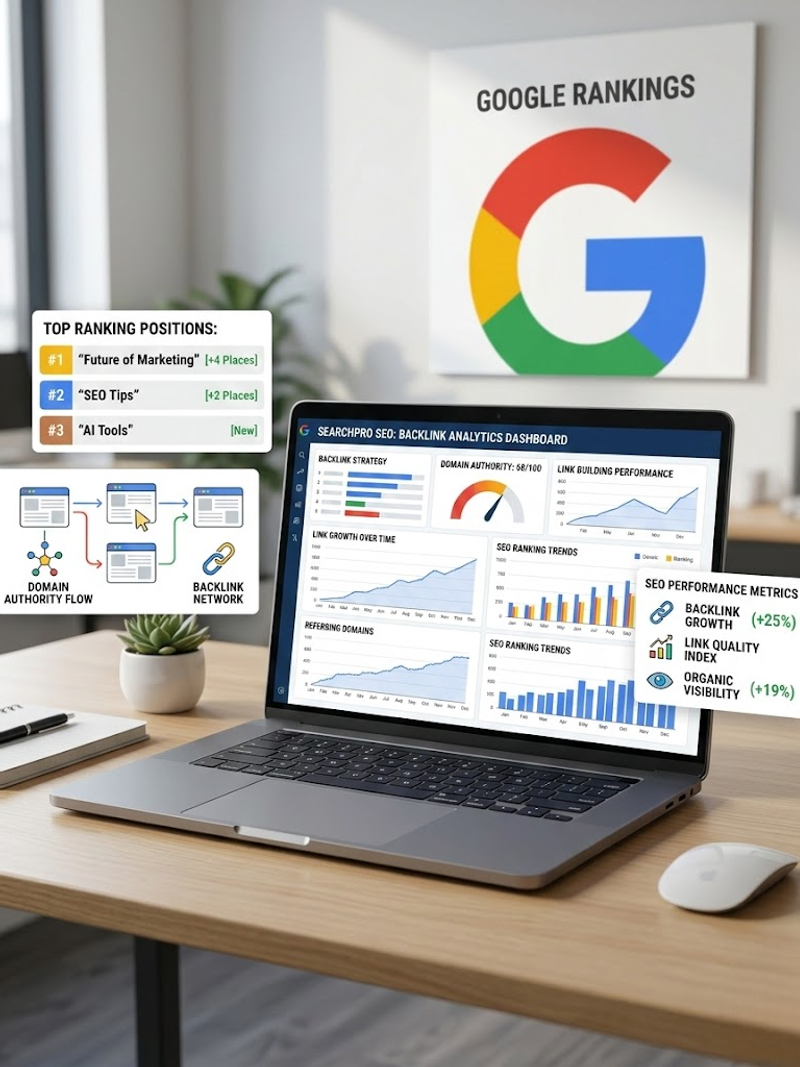
When multiple websites qualify for rankings, Google often prioritizes those with strong backlink profiles. Backlinks are considered “votes of trust,” especially when they come from high-authority websites.
This is also why well-known brands or domains with strong online reputations often rank higher in search results.
How To Estimate How Many Links You Will Need?
We now understand that backlinks help content rank higher on Google. But how many backlinks do you actually need?
The answer depends largely on your competition.
Ranking on Google is similar to a race. To reach the top positions, your content and backlink profile must be equal to or better than your competitors.
There is no fixed number of backlinks required. Anyone claiming you need 50–100 backlinks is oversimplifying the process.
The number of links required depends on:
- Your domain authority
- Competitors’ domain authority
- Keyword difficulty
- Search intent
- Content quality
What Are Good Backlinks and How Do You Get Them?
Even if you estimate a number of backlinks needed, link building is not about quantity alone. The quality of backlinks matters far more than the number.
For example, if a competitor has 100 backlinks but most are from low-quality websites, you could outperform them with 60 high-quality backlinks from authoritative sources.
Characteristics of Good Backlinks
Relevant to Your Content
Backlinks should come from websites related to your industry or niche.
For example, if your content focuses on sports, links from sports websites are more valuable than unrelated industries.
Higher Domain Authority
Websites with high domain authority are more credible and respected. Links from such sites can significantly improve your rankings.
Examples include:
- Industry leaders
- Popular blogs
- News websites
- Established organizations
Links from Different Domains
Backlinks from multiple unique domains are more valuable than many links from the same website.
Diverse linking sources signal popularity and credibility to Google.
Natural (Non-Paid) Links
Backlinks should ideally be earned rather than purchased. Organic links indicate that other websites genuinely find your content valuable.
Relevant Anchor Text
Anchor text is the clickable text of a backlink. It should be relevant and natural rather than overly optimized with exact-match keywords.
Over-optimization may appear spammy to Google.
Conclusion
This article provided insights into backlinks and how they influence search rankings. By focusing on quality backlinks, competitor analysis, and strong content, you can improve your chances of ranking higher on Google.
If you have SEO-related questions or want professional SEO services, feel free to contact us. We would be happy to help you achieve your goals.