While over half (55%) of U.S. small businesses engage in some form of online advertising, the concept of pay-per-click (PPC) advertising is still unfamiliar to many. However, PPC is a powerful tool that every marketer should include in their digital marketing toolkit.
The purpose of this article is to examine the benefits of PPC advertising and explain how to easily start your own PPC campaigns.
PPC Marketing
Defining PPC is simple — it stands for pay-per-click advertising. This type of online advertising allows advertisers to pay only when a user clicks on their ad, making it a highly effective marketing method.
When advertisers bid on clicks, they consider several factors such as:
- Advertising platform
- Target keywords
- Audience demographics
When the right PPC strategy is implemented, campaigns can deliver excellent results.
Common Goals of PPC Campaigns
- Generating leads
- Increasing sales
- Building brand recognition
PPC can generate high-quality leads when executed properly. Creating strong user journeys can also lead to an excellent return on investment (ROI). Even better results can be achieved by collaborating with a reputable PPC services provider that offers advanced tools and industry expertise.
Professional PPC management services manage and optimize every part of your campaign to ensure success.
PPC Terminology and Definitions
There are several important terms you may encounter in paid advertising. Below is a breakdown of essential PPC concepts.
Search Engine Marketing (SEM)
Search Engine Marketing (SEM) includes all marketing efforts (paid or unpaid) conducted through search engines such as Google, Bing, or Yahoo. This includes both paid advertising and search engine optimization (SEO).
CPC (Cost-Per-Click)
CPC is the maximum amount an advertiser is willing to pay for a click on their advertisement. Each CPC acts like a bid in an auction that determines ad placement.
CPC Formula:
(Competitor Ad Rank ÷ Quality Score) + 0.01 = Actual CPC
Key related terms:
- Ad Rank: Determines ad position on search results (Bid × Quality Score)
- Quality Score: Based on CTR, keyword relevance, landing page quality, and past performance
- Maximum Bid: Highest amount willing to pay per click
CPC can be managed manually or automatically depending on campaign goals.
CPM (Cost per Mille)
CPM refers to the cost per 1,000 impressions and is commonly used for display and social media advertising.
Other cost models include:
- Cost per engagement
- Cost per acquisition (CPA)
However, CPC remains the most widely used model for PPC campaigns.
Steps in a PPC Marketing Campaign
Campaign
The campaign represents the overall theme or objective you want to communicate.
Ad Group
Each campaign contains multiple ad groups focused on closely related keywords. CPC can be customized for each group.
Keywords
Keywords determine when and where ads appear. After research, advertisers can set bids for specific keywords.
Ad Text
Ad content should align with keywords and landing pages to improve Quality Score and relevance.
Landing Page
The landing page is where users arrive after clicking your ad. Optimized landing pages improve conversions and campaign performance.
Top PPC Advertising Platforms
Choosing the right advertising platform depends on audience, keywords, and budget.
Popular PPC platforms include:
Google Ads
The most widely used platform due to Google’s dominance in search traffic.
Bing Ads
Often cheaper than Google Ads, though with lower traffic volume.
Facebook and Instagram Ads
Effective for reaching broad audiences through Meta platforms.
AdRoll
Excellent for retargeting and cross-platform audience engagement.
RevContent
Focuses on driving traffic directly to landing pages for engagement and lead generation.
Why Is PPC Marketing Important?
PPC marketing offers multiple advantages that help businesses achieve their goals efficiently.
Precise Targeting
PPC allows advertisers to target specific audiences using demographics, keywords, interests, and behaviors.
Remarketing enables businesses to reach users who previously interacted with their website or ads.
Faster Results Than SEO
Traffic can begin immediately after launching a PPC campaign, while SEO may take months to show results.
Budget Control
Advertisers can control total budget and cost per click, ensuring efficient spending.
Advanced Analytics and Measurement
PPC provides detailed performance data including:
- Clicks
- Conversions
- User behavior
This data helps optimize campaigns for better future performance.
Easy Control and Adjustments
Campaigns can be adjusted in real time, including:
- Budget allocation
- Bid amounts
- Target audience
Brand Visibility
Even when users do not click ads, brand exposure increases without additional cost.
PPC and SEO: The Ideal Combination
SEO and PPC work best together. PPC provides immediate visibility, while SEO builds long-term organic traffic.
Businesses often use PPC to drive traffic to pages that have strong organic potential but low visibility.
What is PPC Advertising?
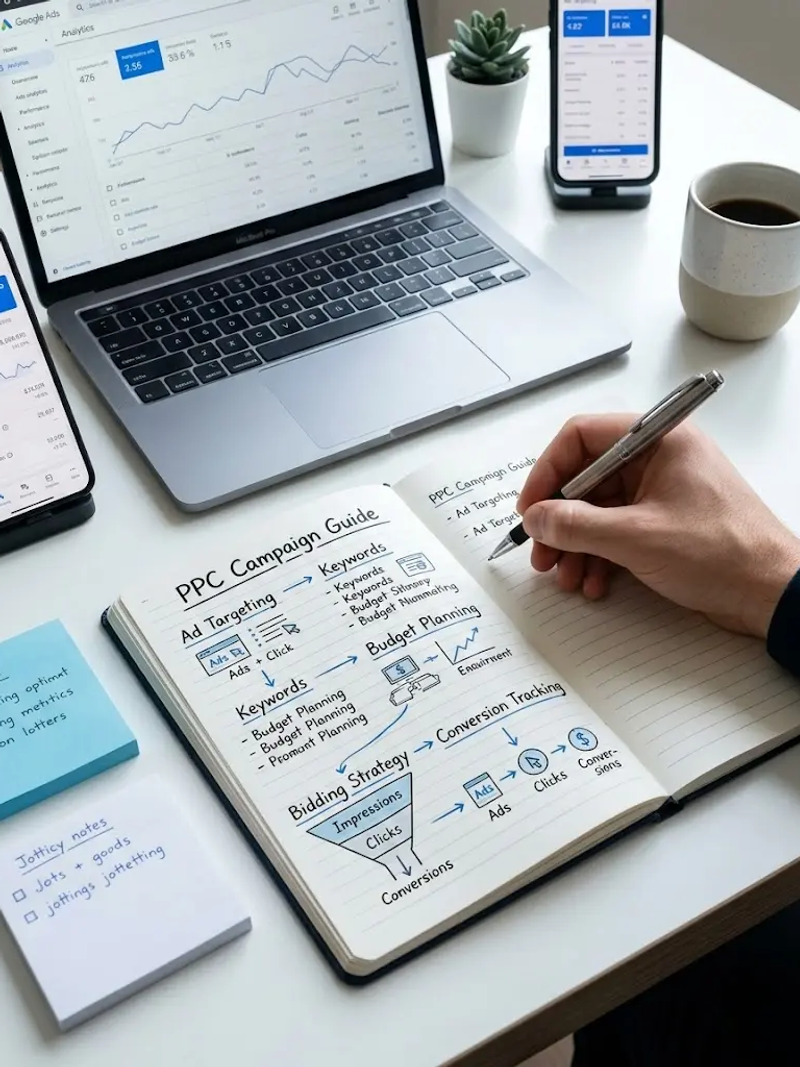
PPC advertising is a model where advertisers pay when users interact with their ads. The process typically includes:
- Creating an advertising account
- Defining target audience and keywords
- Setting budget and bids
- Creating ad content
- Entering bidding auctions
- Paying when users click ads
Advantages of PPC
- Cost-effective
- Quick results
- Easy campaign control
- Targeting customers at the right time
- Independent of algorithm updates
- Helpful for low domain authority websites
- Supports SEO strategy with data insights
PPC vs SEO
The main difference:
- PPC = Paid traffic
- SEO = Organic traffic
Businesses often combine both strategies for maximum results.
What is PPC Management?
PPC management includes:
- Goal setting and optimization
- Campaign testing
- Keyword expansion
- Conversion funnel improvements
- Budget adjustments
Effective PPC management ensures maximum performance across platforms such as search engines and social media networks.
Building a PPC Campaign
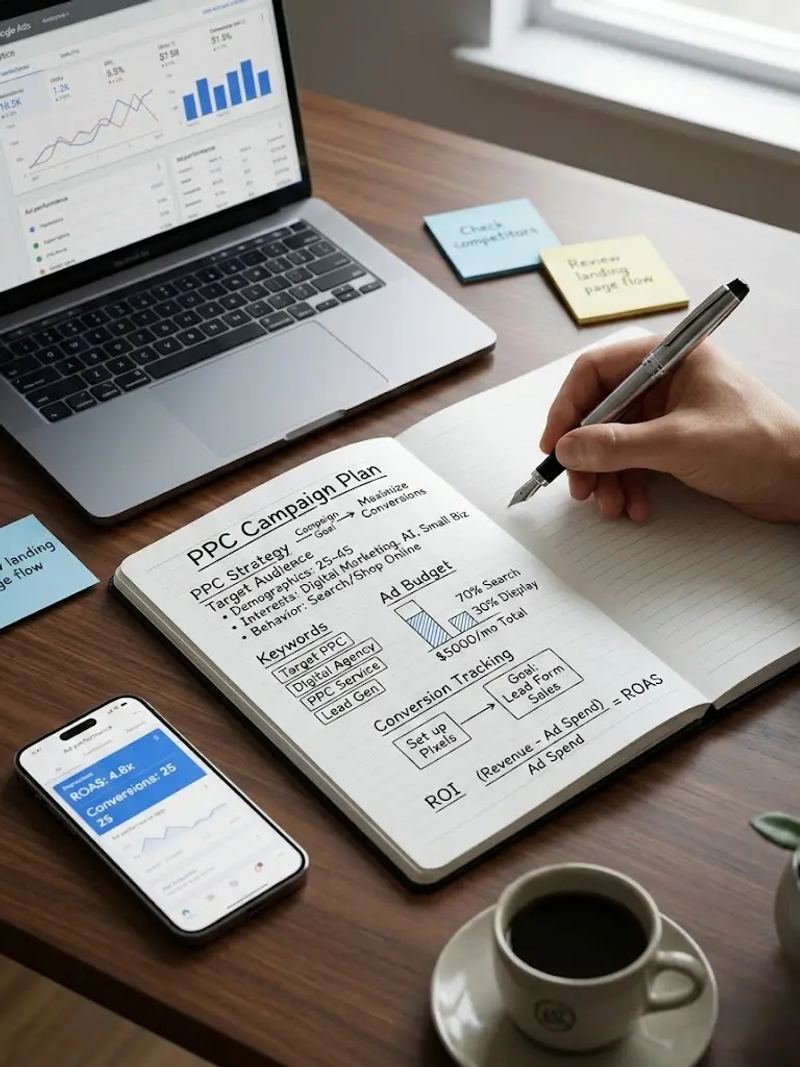
Establish Guidelines
Define:
- Target audience
- Campaign goals
- Budget
- Metrics for success
- Campaign type
Campaign Goals and Metrics
Common PPC goals include:
- Brand awareness
- Lead generation
- Sales
- Website traffic
Metrics should be measurable and aligned with business objectives.
Choose Campaign Type
Types of campaigns include:
- Search advertising
- Display advertising
- Social media advertising
- Remarketing campaigns
- Google Shopping ads
Keyword Research
Select 1–5 closely related keywords per ad group to improve Quality Score. Monitor performance and adjust bids accordingly.
Set Up Google Analytics
Google Analytics provides insights into user behavior, website performance, and campaign effectiveness. These insights help optimize PPC strategies.
Conclusion
Whether your business is new or established, PPC can provide the competitive edge needed to outperform competitors in search engine results.
If you need assistance with PPC management or campaign strategy, reach out to us. At Ophanim, we have demonstrated success in PPC marketing and helped numerous businesses grow.
In today’s digital landscape, PPC marketing may be the key to accelerating your business success.