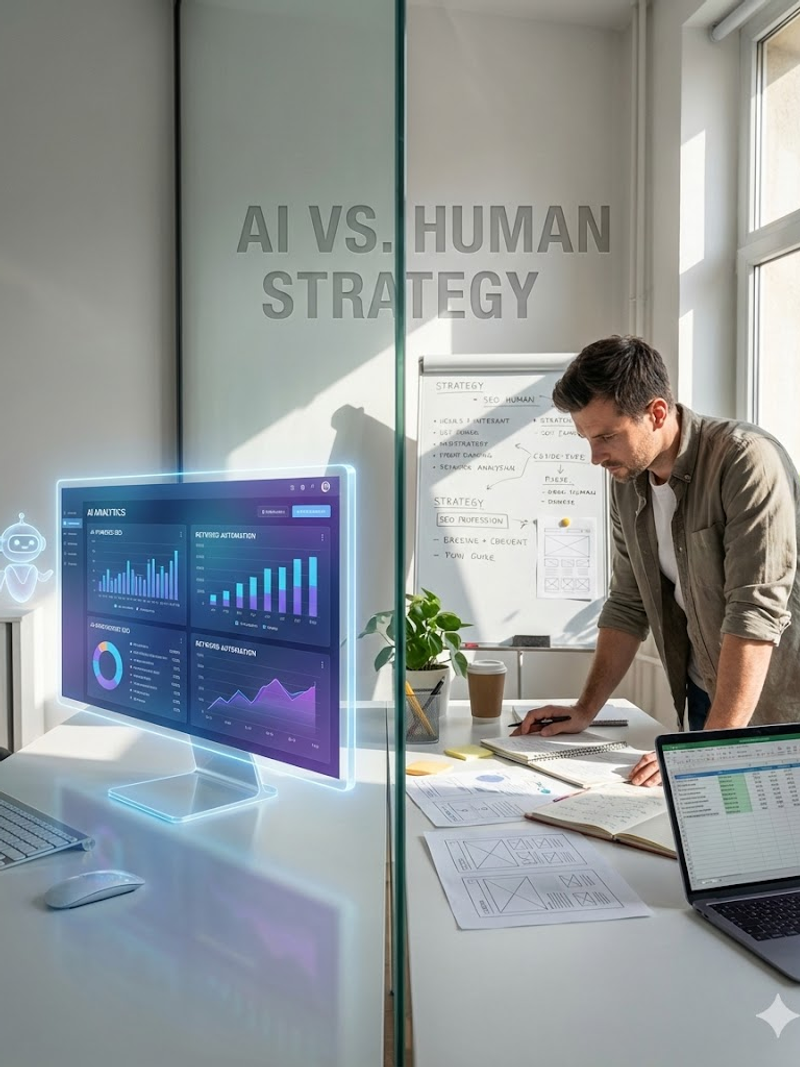
Search engines work to factor human effort, knowledge, and originality into evaluation and scoring. The significance of this effort, knowledge, and originality increases post-AI. AI-produced content is not penalized by search engines, but is considered valuable only if human effort, knowledge, and originality are integrated.
What are the SEO trends and challenges for 2026? What will determine business models operating under the guidelines of search engine updates? Let us explore the details.
Is SEO Dead in 2026?
As of 2026, SEO is not dead. Instead, it is adapting to the emerging digital market. The most recent updates by Google emphasize user engagement, the importance of content, and how to optimize it. SEO best practices are directed toward page speed, Core Web Vitals, and mobile-first indexing.
The Google algorithms that determine EEAT (Experience, Expertise, Authoritativeness, and Trustworthiness) are prioritized when generating content.
The most current practices of SEO place Mobile-First Indexing, optimizing page speed, and Core Web Vitals at the top of the priority list when considering practical SEO strategies. The Google Algorithm update of 2026 will be able to create keywords better by understanding the intent behind users' searches. In this case, it becomes more important to fix crawl errors and create concise, useful, and efficient content to improve the website's crawl value.
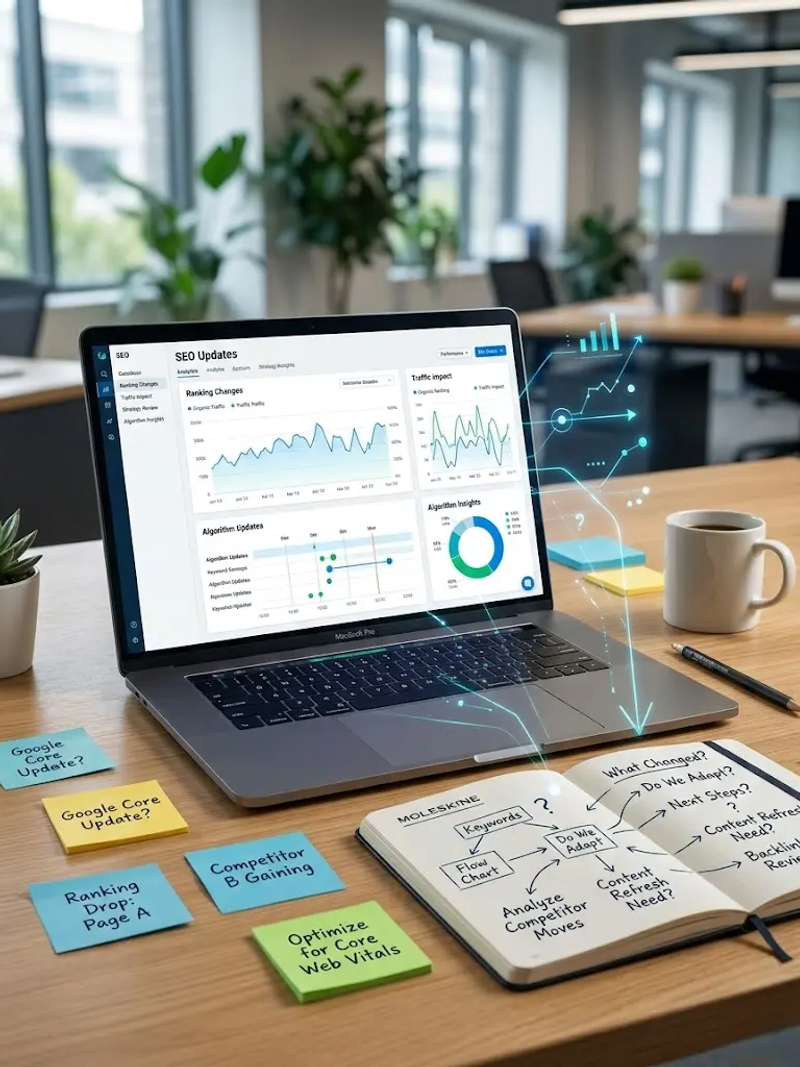
Current Google updates are being released more broadly and are becoming increasingly important even without a documented beginning, making it easier for SEO experts to update and modify their systems. The most recent updates to the Google Algorithm have placed greater emphasis on the ethical use of Artificial Intelligence to create content.
No matter what the changes are, the most important element of any good SEO practice is adapting to Google updates. These principles have not changed in decades, meaning practices should have a user-focused approach, including user testing, a solid technical foundation, and strong content building blocks. Good practices create a good website, and good websites create successful SEO outcomes.
What Strategies Will Work with Latest SEO Updates in 2026?
Strategies continually evolve, and when considering current changes in user behavior and the most recent Google Algorithm updates, it is essential to develop adaptable strategies to ensure success in the changing digital landscape.
Recent Google SEO updates are aimed at improving user experience and increasing the value of website content. Google has prioritized Core Web Vitals scores for all websites. These scores measure site loading speed, user interactivity, and visual stability. Websites that score higher in these areas are rewarded with better search result rankings.
Recent changes to Google SEO guidelines outline several key areas that content creators should focus on to achieve the greatest success.
Helpful and Valuable Content
Valuable content helps create a successful SEO strategy. It provides online authority needed to increase backlinks, site traffic, and search rankings. Valuable content builds relationships with visitors and converts them into loyal customers.
Web Pages That Load Quickly
Web pages and content that load quickly are rewarded with higher rankings. Faster loading improves user experience, increases traffic, and leads to better conversion rates.
Link-Building
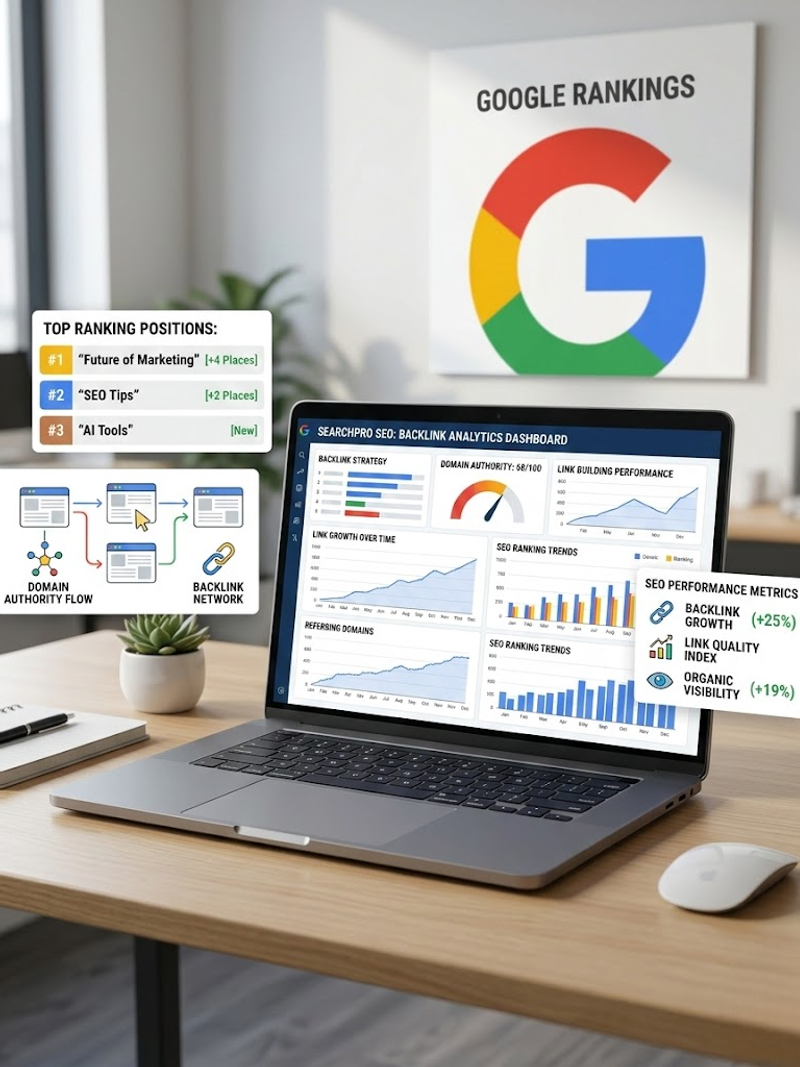
Link-building remains important for SEO in 2026 because links help crawling and indexing. Search engines value websites with strong backlinks as credible and trustworthy. Backlinks act as endorsements that significantly increase search rankings.
Responsive Design
Responsive design enables seamless experiences across multiple devices and screen sizes, improving both user experience and SEO performance. With users switching between desktops, tablets, and mobile devices, responsive design is essential to prevent traffic loss.
Voice Search Optimization
Voice search is becoming standard in SEO strategies. Optimization should focus on natural language queries and long-tail keywords to align with voice-based searches and ranking factors.
E-A-T (Expertise, Authoritativeness, Trustworthiness)
E-A-T continues to play a major role in SEO. Authoritative content demonstrating expertise within a field will become even more necessary.
Natural Language Processing (NLP)
Further refinement of NLP is expected in Google Algorithm updates. Content focusing on user intent rather than keyword stuffing will be essential.
Mobile-First Indexing
Full mobile optimization is now mandatory due to recent SEO updates and increasing mobile usage.
AI and Automation
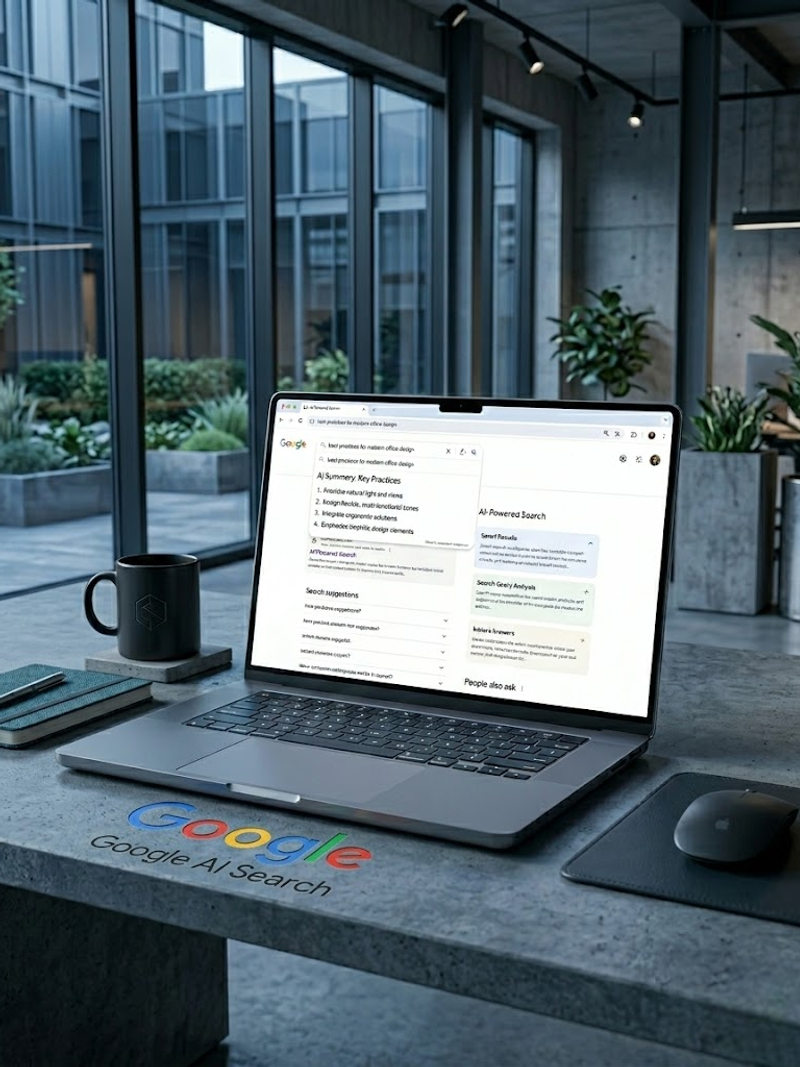
Businesses can gain competitive advantages through AI-driven automation, analytics, and SEO improvements aligned with updated Google algorithms.
Newest Advances in SEO Upgrades for 2026
SEO is an invaluable, dynamic, and ever-evolving marketing practice. Constant Google algorithm modifications and increasing digital competition influence ranking positions on Search Engine Results Pages (SERPs).
The New “E” in E-A-T
Real-world experience has been added to E-A-T. Google now strongly recommends demonstrating real-world expertise from content authors. Website administrators must evaluate author credibility to ensure relevance and value.
Marketing to an Audience Rather Than Just Generating Traffic
Google is penalizing websites that prioritize traffic over audience relevance. Businesses should focus on niche audiences and high-quality content aligned with their expertise.
Prioritizing Author Reputation
Google prioritizes expert-generated content for better user satisfaction. Author bios and author pages linking to all content help demonstrate credibility and authority.
Relevant and Useful Content
Google’s helpful content updates emphasize audience-focused, authoritative, and well-researched content that delivers value.
AI Tools and Content Creation
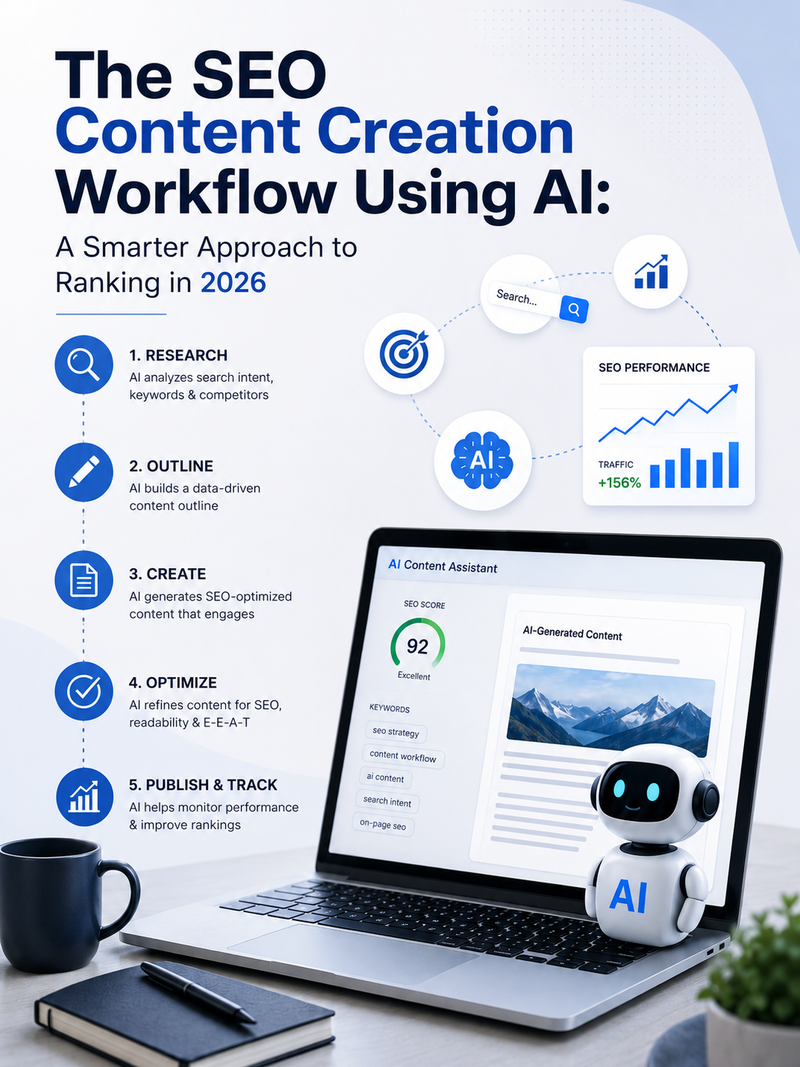
AI tools are becoming essential for content creation workflows, including generating outlines, briefs, and ideas. These tools improve efficiency and content quality when used correctly.
SEO Automation
AI can automate time-consuming SEO tasks such as keyword research, audits, and performance tracking. Tools help identify technical issues and optimization opportunities.
Relationship Between SERP Positions and CTR
Higher search positions still correlate with higher click-through rates (CTR). Endless scrolling and mobile search improvements further emphasize the importance of ranking on the first page.
Despite predictions, zero-click searches and featured snippets do not always reduce CTR significantly. Optimizing titles, meta descriptions, and schema markup remains important.
SEO of Product Pages
Google rewards both long authoritative content and concise, user-focused content depending on intent.
Important product page elements include:
- Drop-down menus
- FAQs
- Customer feedback
- Keywords in descriptions
- User reviews
- Shipping, warranty, and returns information
SEO Competitor Analysis
Competitor analysis is essential for successful SEO strategies. Tools can identify gaps in content, backlinks, and authority to help businesses build competitive advantages.
Frequency of Crawling Decreased
Google’s sustainability goals may reduce crawling frequency. Websites with strong on-page SEO and technical optimization may receive better crawl prioritization.
Image SEO Changes
Image optimization improves rankings and accessibility. Proper alt text helps search engines understand content while improving accessibility for users.
High-Performing, Fast-Loading Websites
Page experience, speed, and responsiveness remain major ranking factors. Google Analytics and PageSpeed Insights help measure Core Web Vitals performance.
SEO Solutions and Market Trends
Google’s paid advertising growth fluctuations indicate increasing importance of organic search. Economic trends also encourage businesses to invest more in organic SEO strategies.
AI-Generated Images
AI-generated images are growing in popularity and can rank in SERPs, although their long-term SEO impact is still evolving.
Artificial Intelligence Influence
AI tools may increase demand for skilled writers because human originality and depth remain essential. Low-quality AI content risks poor performance under Google updates.
Entity-Based SEO and Keyword Shifts
Google increasingly focuses on entities and NLP rather than keyword stuffing. Local SEO benefits from entity-focused content and optimized business profiles.
Updated Google Shopping Services
Google Shopping integration provides price comparisons and purchase options directly in search results, influencing e-commerce strategies.
Visual Search and Google Lens
High-quality images, optimized alt text, and strong branding improve visibility in visual search results and Google Lens integration.
Featured Snippets and Zero-Click Results
Featured snippets dominate SERPs by providing direct answers. Structured content increases the chances of being selected by Google.
Will SEO Be Around in 5 Years?
SEO will continue evolving alongside search engines. It will remain focused on user experience, relevant content, and technical performance.
Historically, SEO relied heavily on keywords, but modern SEO prioritizes algorithm understanding, user experience, and content quality.
AI tools will create both opportunities and challenges. Mobile-first approaches, NLP, and trust-building will define future SEO success.
Conclusion
Marketers and business owners must stay current to maintain competitive advantages. Successful strategies will focus on user-oriented content and strong technical SEO.
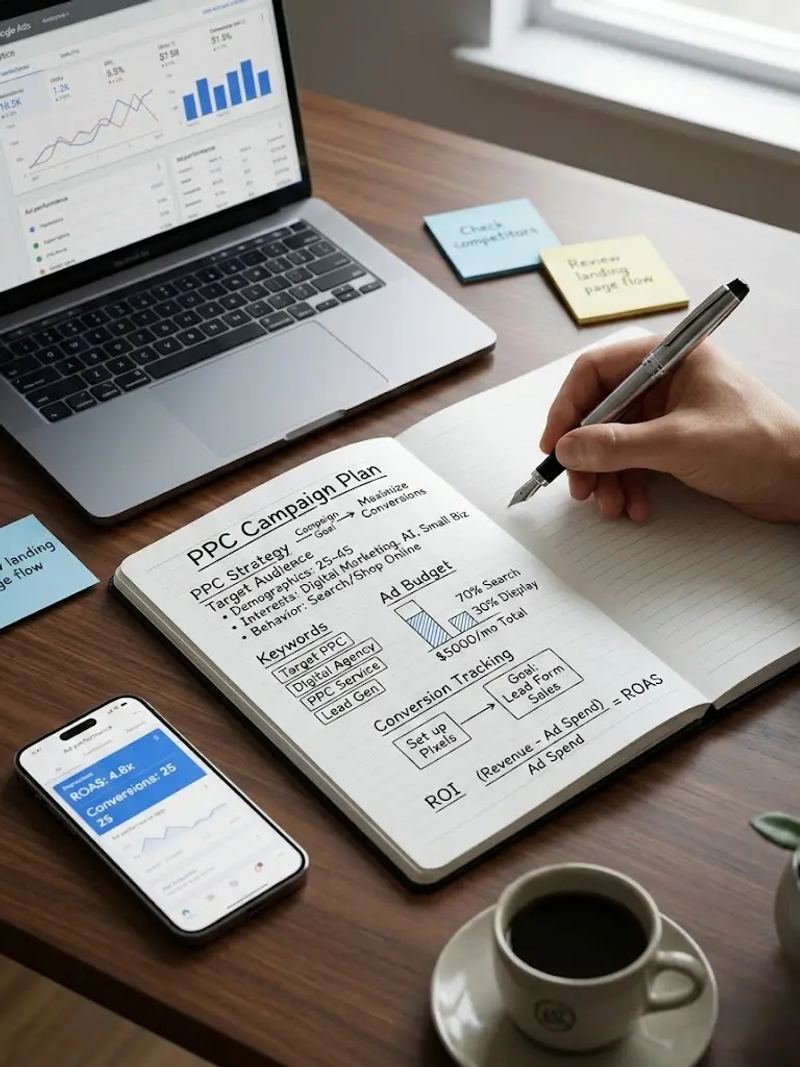
Future Google SEO trends prioritize high-value content over high-volume production. Businesses should invest in organic strategies rather than relying heavily on PPC advertising.
Continuous monitoring of SEO changes and adapting strategies based on updates will be essential for long-term success.
If you want assistance with your SEO strategy and a high-return content marketing plan aligned with the newest SEO trends and market developments, feel free to reach out. The team at Ophanim will be happy to collaborate with you.